About
Ffellonics (or Ffellonic geometry)is a geometric-thermodynamic framework describing relational emergence and self-assembly.
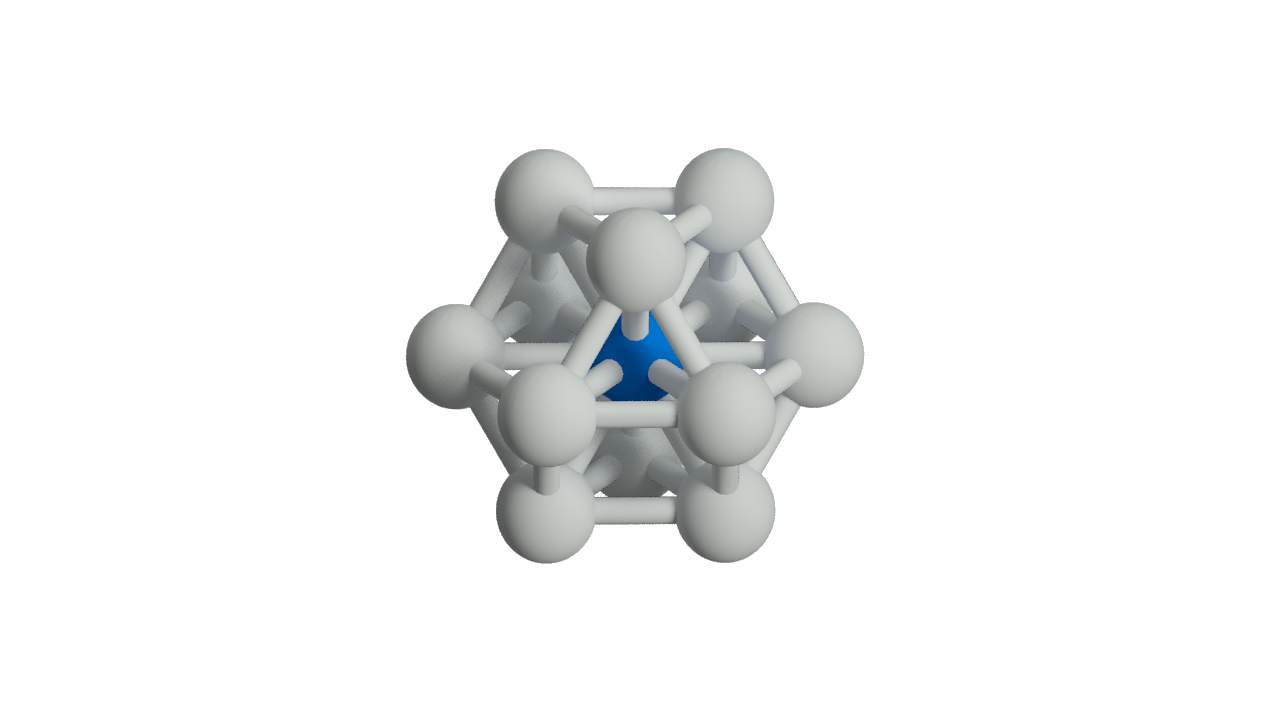
It models how identical spherical units follow one simple local rule—symmetric nearest-neighbor attachment that maximizes contacts while minimizing Gibbs free energy—and spontaneously form ordered structures. This produces a deterministic 12-level hierarchy of increasing coordination and symmetry.
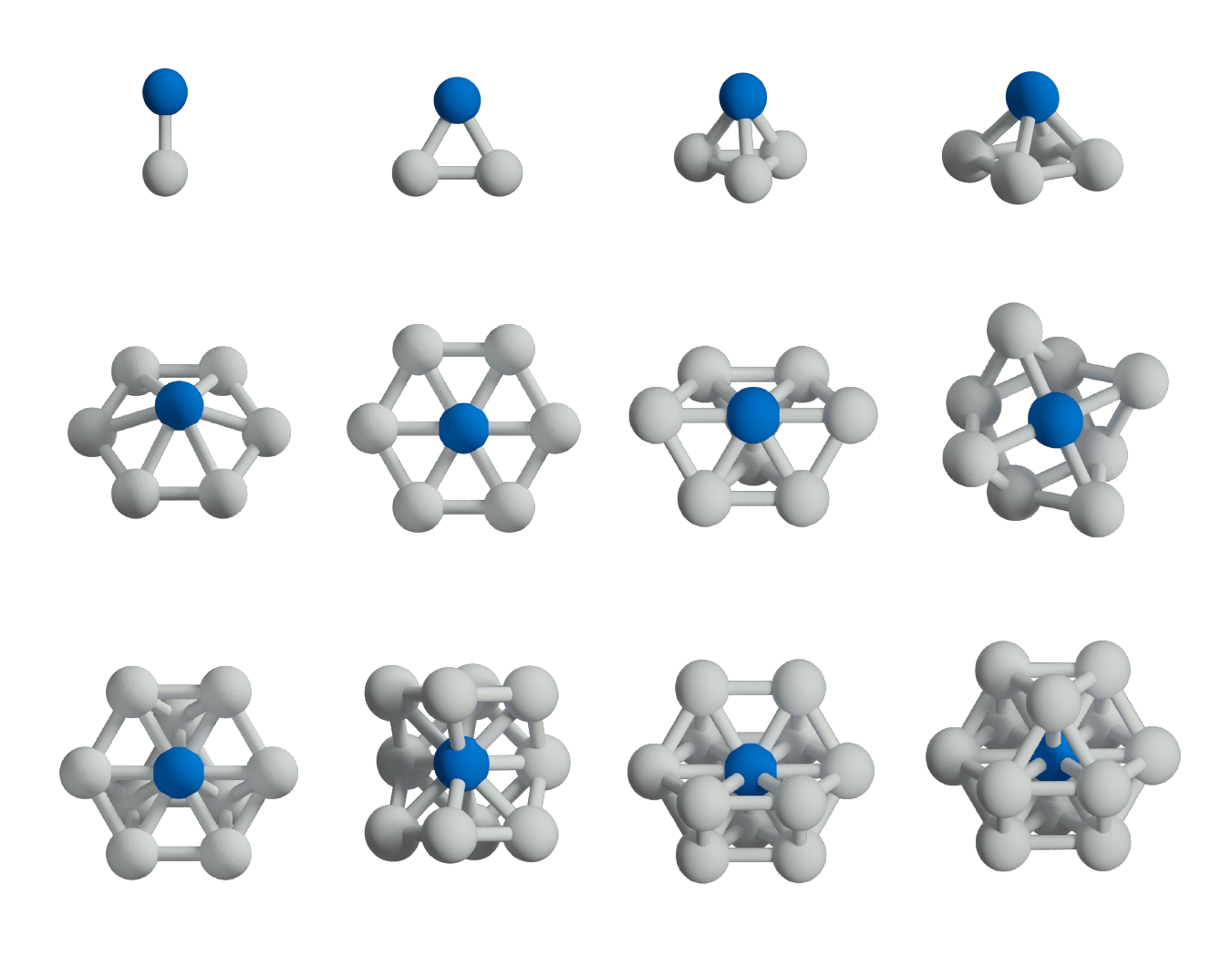
The process is presented as an example of weak emergence: global patterns (symmetry, lattices, hierarchical order) arise predictably from repeated local interactions and energy minimization, without external blueprints. Proponents position it as a minimal “reference model” for self-organization in nature—useful for thinking about crystal growth, colloidal assembly, developmental constraints in biology, free-energy principles (e.g., links to Friston’s work), and even broader ontological or philosophical ideas about relation, order, and consciousness.
The main site is www.ffell.com and the X account @ffellonicforms
It is a relatively recent, specialized theoretical/philosophical construct rather than an established mainstream scientific theory.
It has been developed for manys years by the independent researcher David Fell of Leicestershire in the United Kingdom.