Essays
Academic Essays
In-depth explorations of geometry, topology, and mathematical form
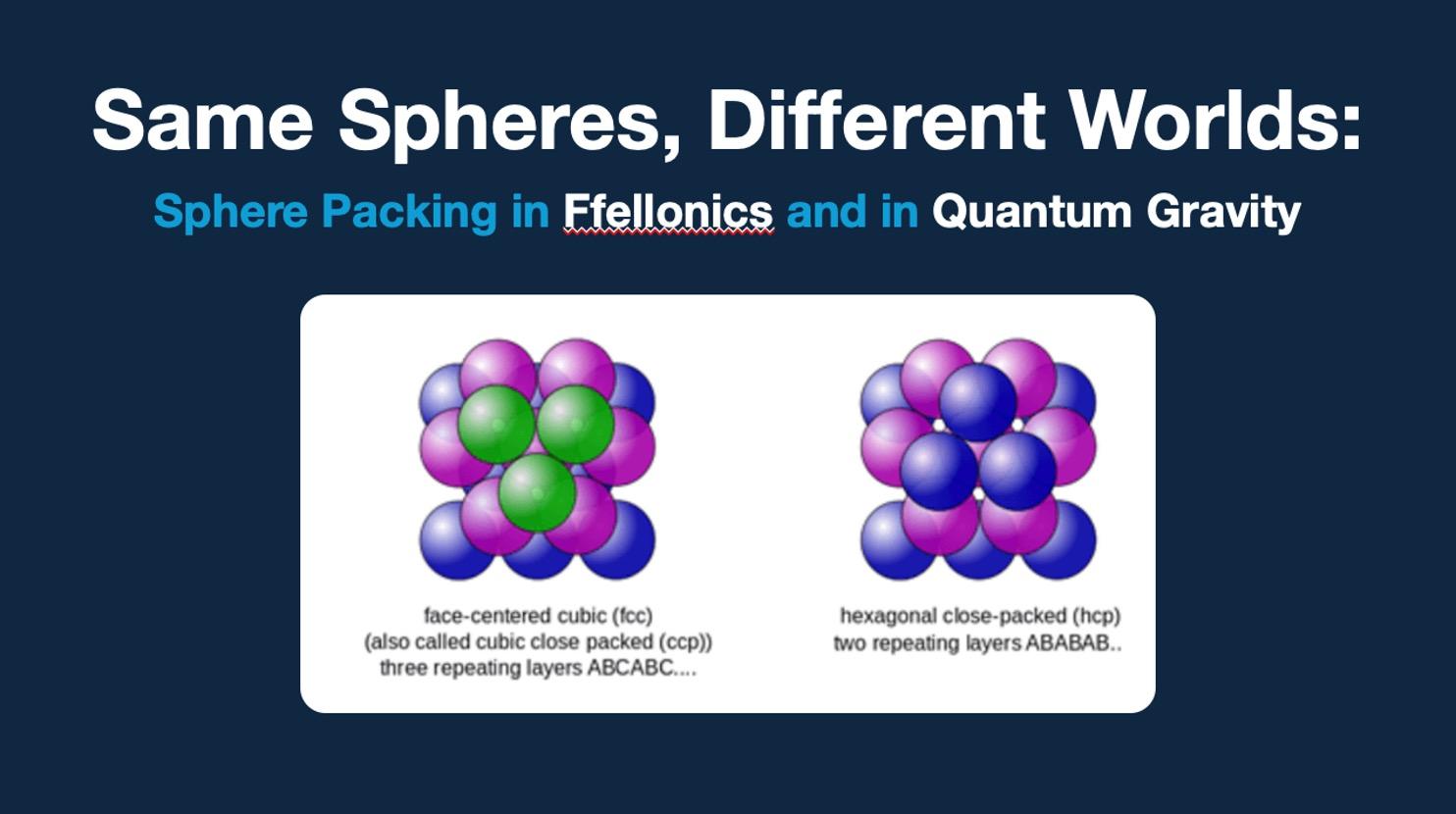
Same Spheres, Different Worlds: Sphere Packing in Ffellonics and in Quantum Gravity
Sphere packing links Ffellonics and quantum gravity, but by shared mathematics, not shared mechanism. Why the difference matters, and what it leaves open.
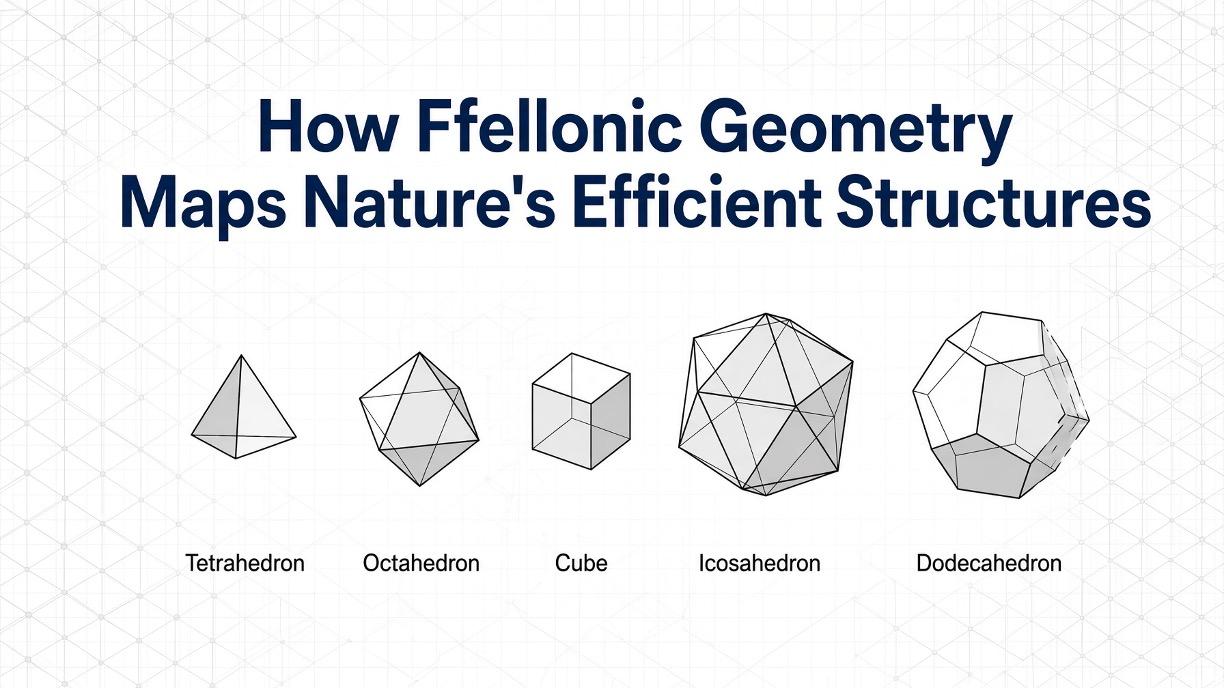
How Ffellonic Geometry Maps Nature's Efficient Structures
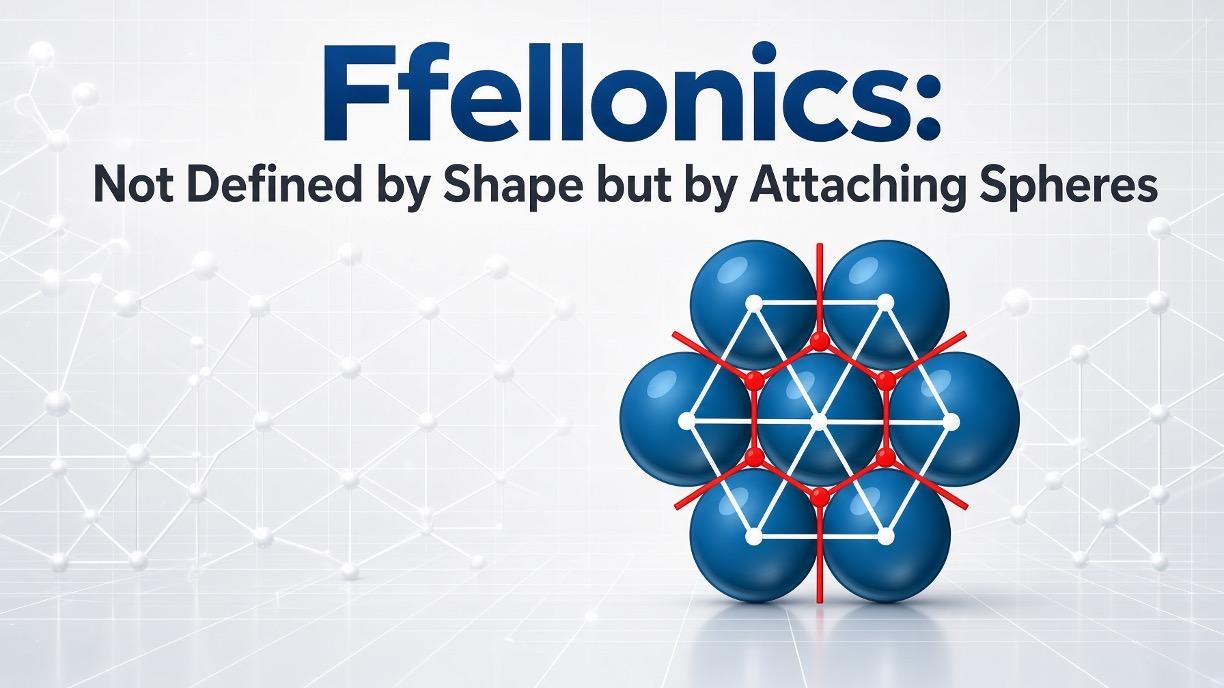
Not Defined by Shape but by Attaching Spheres: how all five Platonic solids come from touching spheres
1. Traditional Geometry: Obsessed with Shape In conventional geometry—especially when discussing the Platonic solids—the focus is almost always on shape
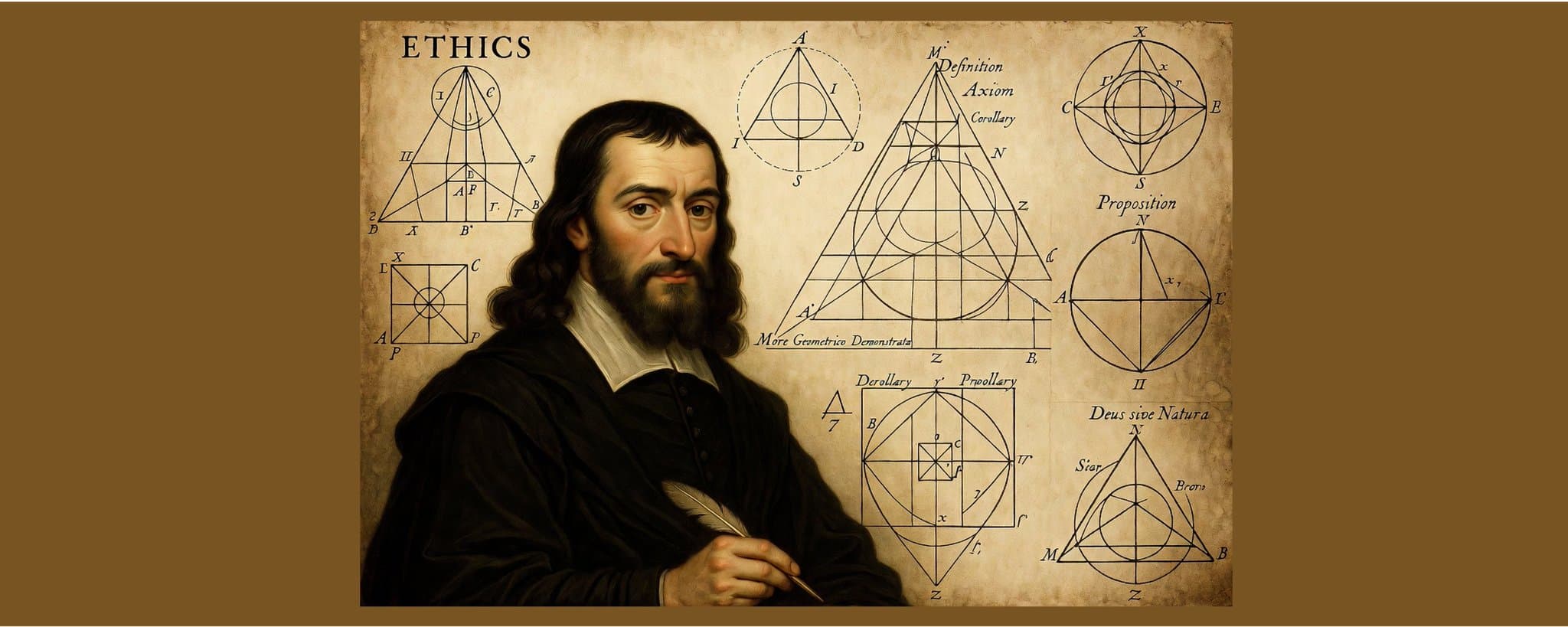
Order Without a Designer: Ffellonics and Spinoza
Spinoza saw order flowing from within nature, with no designer. Ffellonics offers a simple physical picture of that idea: one rule, identical spheres, structure

The Single Local Rule of Ffellonics
One local rule—symmetric nearest-neighbour attachment under free-energy minimisation, up to binding capacity—generates the 12-level Ffellonic Hierarchy.

Ffellonics: Range, Temperature and Binding Capacity
Range, temperature and binding capacity act as three dials on Ffellonics’ single local rule, turning colloid counter-examples into predictions for each level.
Ffellonics and Computation: The No-Program Baseline
Computation needs a programmable rule. Ffellonics has none: identical spheres, one fixed rule. It is the no-program baseline for self-assembly that can compute.

The Quiet Process: Why the Biggest Changes Never Happen in One Moment
Big change is never a single moment. From ageing to eroding mountains, nature works in tiny steps, and Ffellonics shows that quiet process in spheres.

Toward Quantitative Predictions in Ffellonics: What Contact-Counting Can and Can't Yet Tell Us
Contact-counting gives Ffellonics a method for comparing clusters, but floppy-mode and symmetry entropy keep today's ratios energy-only bounds, not predictions.

Ffellonics and Stepwise Kinetic Progression: What Ostwald's Rule Actually Shares With It
Ffellonics shares Ostwald's Rule stepwise-kinetics principle, not the rule itself — a single growth path, not competing phases, reaching tied-energy FCC/HCP.
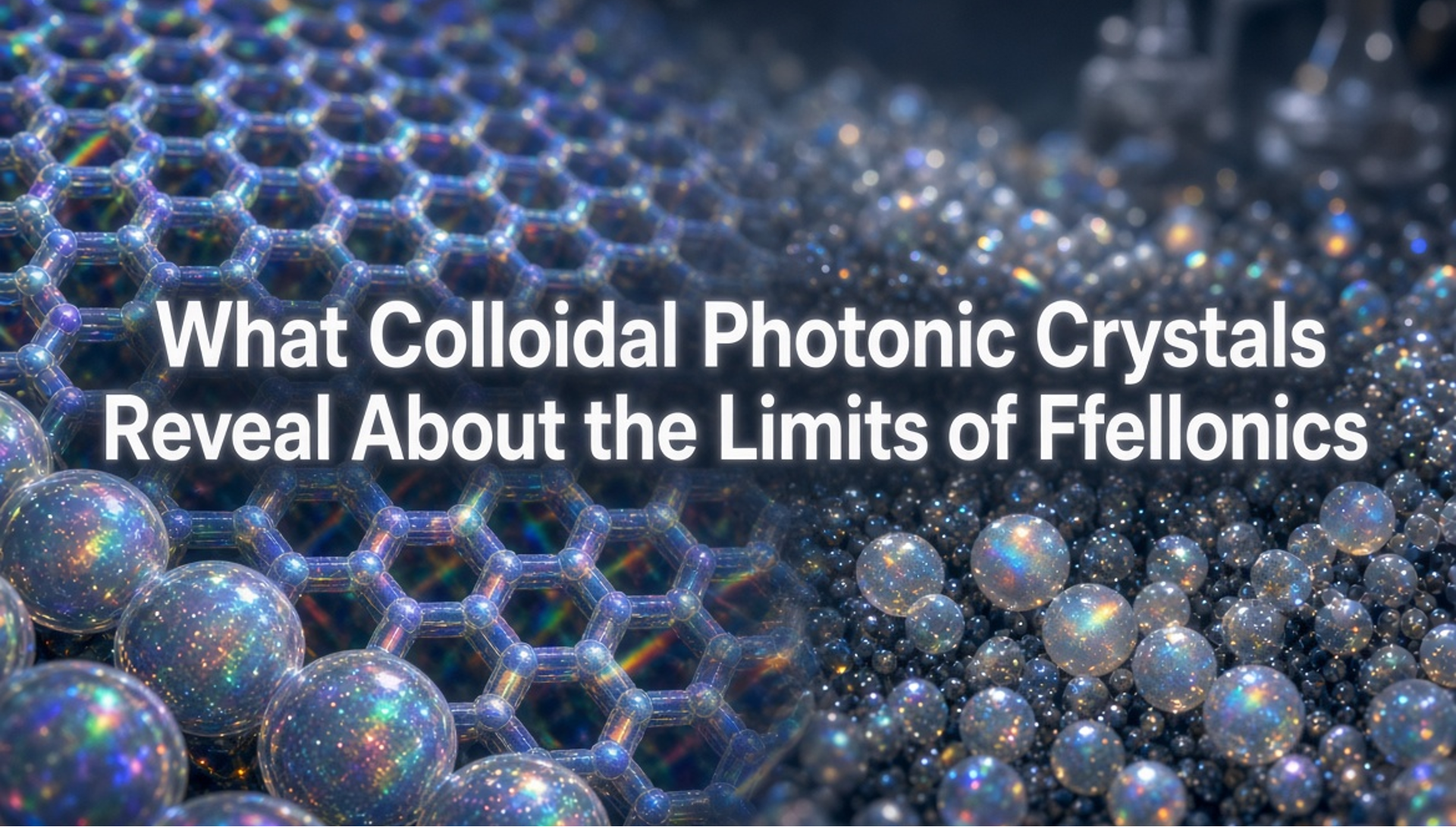
What Colloidal Photonic Crystals Reveal About the Limits of Ffellonics — and Why That Strengthens the Case
Rao et al.'s colloidal crystals mark Ffellonics' boundary: isotropic attachment pulls toward density; escaping it needs engineered anisotropy.
The Physical Mechanism That Sustains the Ffellonic Process
Entropy as architect: openness, dissipation, and a Gibbs free-energy gradient explain why Ffellonics climbs all the way to Level 12.